
TLDR;
To organize your schedule for better work-life balance, start by defining clear priorities and using time-blocking strategies that align with your natural energy levels. Use planning tools and set boundaries between work and personal life to regain control of your time, reduce stress, and make space for what truly matters.
Why Work-Life Balance Fails Without a Clear Schedule

Failing to maintain a structured schedule is one of the most common reasons people struggle with work-life balance. Without clarity, your day becomes a series of reactions instead of intentional actions.
Here’s what poor scheduling can lead to:
- Chronic stress and decision fatigue
- Missed personal commitments
- Work creeping into rest time, and vice versa
- Mental clutter and emotional burnout
Research has shown that people who lack daily structure report higher levels of stress, reduced productivity, and lower satisfaction with both work and life.
If your schedule isn’t working for you, it’s likely working against you.
Track, Reflect, and Reclaim Your Time

The first step to reclaiming control is awareness.
Before you can fix your schedule, you need to know where your time is actually going. Start with a simple time audit.
Tools to track your time:
- Toggl
- RescueTime
- Clockify
Look for time leaks such as:
- Mindless scrolling
- Excessive, unproductive meetings
- Multitasking inefficiencies
- Long, aimless commutes
Identify your peak hours—the times of day when your energy and focus are naturally highest. These are your golden hours. Align your most important tasks with them.
Clarify What Truly Matters

You cannot create balance without understanding your priorities. Start by defining your non-negotiables.
Examples of non-negotiables:
- Daily workout
- Family dinner
- 8 hours of sleep
- Deep work blocks
Try using the Eisenhower Matrix:
- Urgent & important → Do it now
- Not urgent but important → Schedule it
- Urgent but not important → Delegate it
- Not urgent & not important → Delete it
Tips for defining priorities:
- Don’t plan your week without your goals in mind
- Anchor your schedule around personal well-being first
- Know what you’re willing to say “no” to
When your schedule reflects your values, work-life balance becomes a natural outcome.
Pick a Strategy That Fits You

Not every scheduling method works for everyone. You have to choose one that suits your lifestyle.
Popular scheduling frameworks:
- Time-Blocking: Assign specific tasks to specific blocks of time. Great for control.
- Task-Batching: Group similar tasks together to reduce context-switching.
- Pomodoro Technique: 25-minute focused work sprints followed by 5-minute breaks.
- 4-Day Workweek Models: Focus on output, not hours.
Best for different types:
- Time-blocking → Professionals with set hours
- Pomodoro → Students, creatives
- Batching → Admin-heavy roles
- Hybrid → Remote workers
Set yourself up with tools like:
- Google Calendar
- Notion
- Sunsama
- ClickUp
Pick one system and commit for 2 weeks before evaluating it.
Leave Room for Life to Happen
One of the most common mistakes is overscheduling.
If your calendar looks full from sunrise to sunset, you’re setting yourself up for frustration.
Build flexibility into your schedule:
- Add 15-30 minute buffer zones between meetings
- Block “nothing time” during the day to breathe
- Reserve space for spontaneous breaks or life tasks
- Use microbreaks (5–10 min) every 60–90 minutes
Flexibility is not the enemy of productivity. It’s the foundation of sustainability.
Digital Helpers for Smart Time Management

At An Organized Life, we recommend leveraging tools that make time management intuitive, not overwhelming.
Top calendar apps:
- Google Calendar: Reliable and widely compatible
- Fantastical: Great for Apple users with natural language input
Best task managers:
- Todoist: Simple yet powerful
- ClickUp: For teams or complex projects
- Notion: Flexible for both work and personal use
Automation to eliminate repetitive tasks:
- Zapier: Connect apps and automate workflows
- Sunsama: Combine task and calendar management in one place
Choose tools that reduce friction, not add to it.
Say No, Log Off, and Reclaim Control

Time boundaries protect your peace.
Set clear start and stop times for work. This signals to both your brain and others that your time is valuable.
Boundaries to implement:
- Mute notifications after work hours
- Avoid checking emails in bed or during dinner
- Block off family or self-care time on your calendar
- Say “no” without guilt to unaligned commitments
Tips for protecting personal time:
- Set your Slack or Teams status to reflect availability
- Let family or roommates know your deep work hours
- Use “focus mode” on your devices during off hours
You don’t need to be available 24/7 to be valuable.
Evolve Your Schedule with Feedback Loops
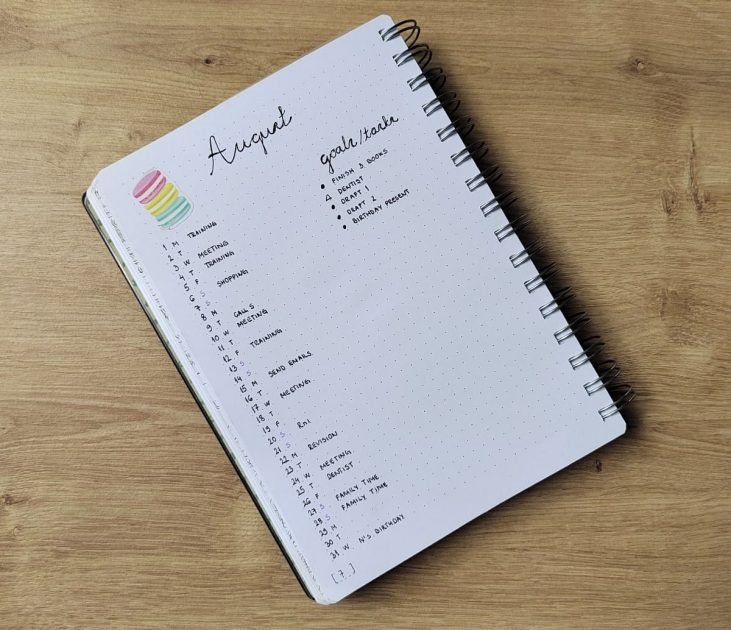
Schedules are living systems. What worked last month might not work this month.
Use a weekly review method:
- What tasks moved the needle?
- What drained your energy?
- What interruptions occurred and how did you respond?
Try time journaling:
- End each day with 3 notes:
- What did I accomplish?
- Where did I struggle?
- What should I change tomorrow?
Use agile planning cycles:
- Reflect weekly
- Re-prioritize monthly
- Reset quarterly
Iterate until it fits. It’s okay to adjust.
Sample Work-Life Balanced Schedules

Sometimes you just need to see it in action. Below are real-world inspired sample schedules tailored to different lifestyles.
Remote Worker With Flex Hours
- 7:00 AM: Morning routine + workout
- 9:00 AM: Deep work block
- 12:00 PM: Lunch + walk
- 1:00 PM: Meetings
- 3:00 PM: Admin tasks
- 5:00 PM: Log off + personal time
- 8:00 PM: Wind-down routine
Working Parent With Side Hustle
- 6:00 AM: Kids’ prep + breakfast
- 8:00 AM: Primary job focus block
- 12:00 PM: Lunch + short break
- 1:00 PM: Finish work tasks
- 3:00 PM: Family time
- 7:00 PM: Side hustle block
- 9:00 PM: Relaxation + sleep prep
Corporate Worker With Wellness Goals
- 5:30 AM: Gym session
- 7:00 AM: Commute + podcast
- 9:00 AM: Work sprint
- 12:00 PM: Lunch away from desk
- 1:00 PM: Meetings + calls
- 5:00 PM: Log off
- 6:00 PM: Dinner + unwind
Build a System That Honors Your Life
Organizing your schedule for better work-life balance isn’t about perfection—it’s about progress and intention.
When you:
- Know your priorities
- Choose a system that fits
- Protect your time with boundaries
- Allow for flexibility
- Use tools to stay aligned
You reclaim control. You create space for peace. And you make room for a life that feels balanced—not just busy.